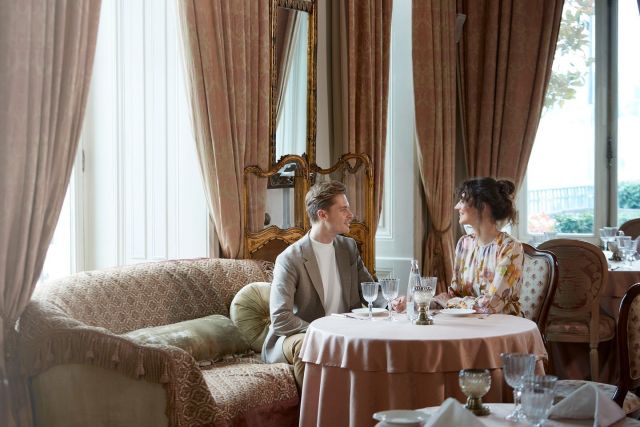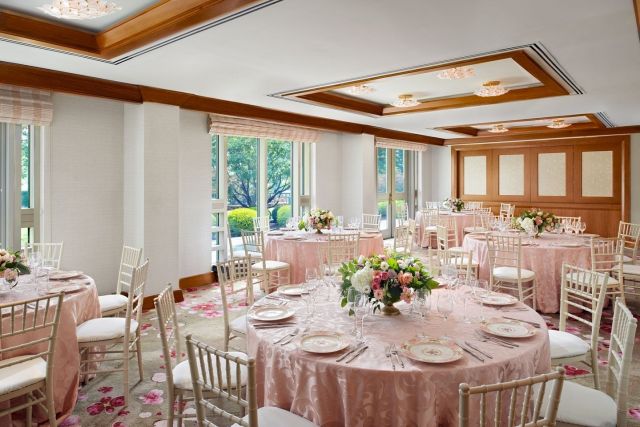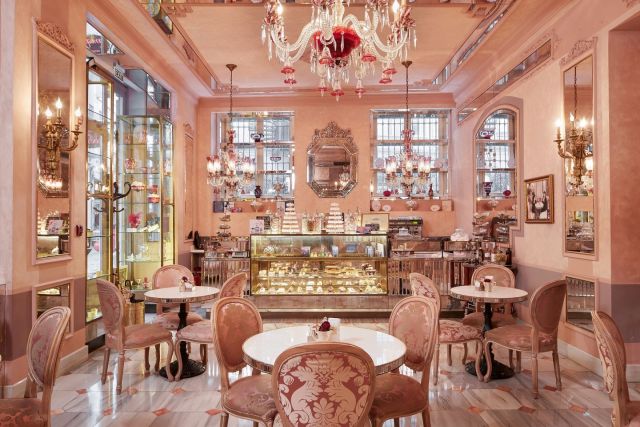
Photographing one of China’s most extraordinary luxury boutique hotels, where contemporary art, innovative architecture, and an unforgettable encounter with Beijing’s pollution made for a truly unique assignment.
As a luxury hotel photographer specializing in architecture, interiors, and luxury hospitality, I’ve had the privilege of photographing extraordinary properties around the world. However, few have left quite the impression that the Eclat Hotel in Beijing did.
When I was selected to photograph this remarkable property, I immediately understood why it had earned a place among the Small Luxury Hotels of the World.

Eclat Hotel in Beijing: Where Architecture Meets Contemporary Art
Located within the spectacular Parkview Green FangCaoDi complex, the Eclat Hotel in Beijing is unlike almost any other luxury hotel I’ve photographed.
The property occupies the upper floors of a remarkable glass-and-steel structure whose dramatic geometric design immediately commands attention.
What makes this hotel particularly fascinating is that it doesn’t simply display art as decoration. The entire property feels like a contemporary art museum where guests happen to spend the night.
Original works by Salvador Dalí, Andy Warhol, and celebrated Chinese contemporary artists are displayed throughout the building. The hotel is particularly renowned for its extensive private collection of Dalí artworks, considered among the most significant in Asia.
For a hotel photographer, this creates an extraordinary visual environment. Every corridor, lobby, and guestroom offers unexpected compositions, sculptures, textures, and architectural details.
Rather than photographing a conventional luxury hotel, I found myself documenting a fascinating relationship between art, architecture, and hospitality.

An Architectural Masterpiece with an Environmental Vision
The Eclat Hotel in Beijing occupies one of the city’s most architecturally fascinating developments. Parkview Green’s sustainable architecture combines an extraordinary glass-and-steel enclosure with innovative environmental engineering.
As I’ve discussed in my article about architectural photography and hotel branding, remarkable architecture can become one of a luxury hotel’s most powerful marketing assets.
The Mystery of Beijing’s Thursday Skies
What made management’s prediction particularly intriguing was China’s documented experimentation with weather modification.
In fact, China’s history of weather modification includes cloud-seeding preparations for the 2008 Beijing Olympic Games.
Whether any similar activity influenced the weather during my assignment remains unknown. Nevertheless, the experience made an already extraordinary photography project even more memorable.

Photographing Eclat Hotel in Beijing with a Hasselblad H5D-60
For this assignment, my primary camera was the Hasselblad H5D-60 medium-format digital camera, paired predominantly with the Hasselblad HC 35mm lens.
At the time, this was an extraordinary photographic system capable of producing exceptionally detailed images with beautiful tonal transitions and outstanding color reproduction.
The 60-megapixel medium-format sensor was particularly well suited to photographing the hotel’s elaborate interiors, architectural details, and large public spaces.
The HC 35mm lens provided a relatively wide field of view while maintaining the optical quality necessary for high-end architectural photography.
However, working with medium-format digital cameras introduces challenges.
Unlike modern cameras capable of producing excellent images at extremely high ISO settings, the H5D-60 performs best when used at relatively low sensitivities. That means carefully managing available light and supplementing it with professional lighting equipment when necessary.
Large windows, dark decorative finishes, reflective artwork, and mixed lighting temperatures can all complicate an interior photograph.
My approach was to preserve the natural atmosphere of each space while controlling the contrast and ensuring that the architecture remained the focus.
The result was a collection of photographs designed to communicate the hotel’s remarkable personality rather than simply document its rooms.

The Challenges of Working as an International Hotel Photographer
International hotel photography assignments are always exciting, but they require considerably more preparation than most people realize.
Transporting delicate medium-format camera equipment, lenses, lighting, tripods, and accessories across international borders introduces logistical challenges.
Customs documentation, airline baggage restrictions, electrical compatibility, transportation arrangements, and the possibility of delayed equipment all have to be considered.
Then there are the practical challenges of working in an unfamiliar country.
Language differences, cultural expectations, coordination with hotel management, and scheduling access to occupied guestrooms can make an already complicated production even more demanding.
A hotel photographer must also adapt quickly to unexpected circumstances.
Sometimes it’s a room that isn’t ready. Sometimes it’s unfavourable lighting. Sometimes it’s a last-minute change in the shooting schedule.
And sometimes, as I discovered in Beijing, it’s the atmosphere itself.

The Day I Could Barely See Across the Street
This is probably the part of the assignment I remember most vividly.
When I arrived in Beijing, the air pollution was absolutely unbelievable.
I had heard about the city’s pollution problems before traveling, but nothing could have prepared me for what I experienced.
The atmosphere was so thick with haze that visibility was severely restricted. At its worst, it genuinely felt as though I could barely see my own hand when extending my arm.
Now imagine being an architectural photographer tasked with capturing the exterior of a spectacular glass building under those conditions.
Exterior architectural photography relies heavily on weather, visibility, and the quality of natural light. My preferred time to photograph a building is often around dusk, when the remaining daylight balances beautifully with the interior illumination.
But there was one enormous problem.
I could barely see the other side of the street, let alone the architectural details of the building I was supposed to photograph.
I was genuinely frightened that I wouldn’t be able to complete the assignment.
No amount of professional lighting equipment or expensive camera technology could compensate for a building disappearing into atmospheric haze.
So I approached hotel management and explained my concerns.
Their response was one of the strangest and most reassuring things I’ve ever heard during an international photography assignment.
“Don’t worry. It will all be alright on Thursday.”
That was it.
No explanation. No discussion about weather forecasts. Just complete confidence that Thursday would somehow solve everything.
Naturally, I asked how they could possibly know.
They wouldn’t elaborate.
I remember walking away wondering what on earth they knew that I didn’t.

The Mystery of Beijing’s Thursday Skies
What made the situation even more intriguing was something I subsequently heard about Beijing’s weather.
There have long been discussions and theories surrounding China’s use of cloud-seeding technology to influence precipitation.
Some people speculate that artificial rainmaking can help clear pollution from the atmosphere, and I encountered an especially curious theory suggesting that rain could be encouraged around Wednesday, leaving Thursday with clearer skies.
According to that theory, air quality could be particularly poor earlier in the week, especially on Tuesday and Wednesday.
Those happened to be the days when I arrived.
To be clear, I have no evidence that any weather modification took place during my visit, or that Beijing follows a predictable weekly cycle of artificially induced rainfall. Cloud seeding is a real technology, but the idea of regularly clearing the skies specifically for Thursday remains an unverified theory.
Nevertheless, the timing of management’s prediction was fascinating.
And remarkably, their confidence turned out to be justified.
By Thursday, conditions had improved enough for me to photograph the building’s exterior.
After spending the previous days worrying that the most important architectural views might be impossible to capture, I was finally able to work with the visibility and evening light I needed.
To this day, I still remember that conversation.
Was it simply an accurate weather forecast? Local knowledge? A fortunate coincidence?
I honestly don’t know.
But it remains one of the most unusual experiences of my career as a hotel photographer.

Inside the Extraordinary Suites of Eclat Hotel in Beijing
Fortunately, the interiors presented a completely different world.
The Eclat Hotel in Beijing features approximately 100 rooms and suites, including individually designed accommodations with extraordinary decorative concepts.
Some suites incorporate private indoor sky terraces and plunge pools, creating an unusual combination of privacy, luxury, and architectural drama.
The interiors feature designer furnishings, elaborate finishes, and an eclectic mix of contemporary art.
During the period of my assignment, the hotel’s technological amenities were equally impressive, including Bang & Olufsen audio systems, designer furniture, massage chairs, and sophisticated entertainment systems.
One of the most interesting spaces was the exclusive Éclat Lounge, positioned within the building’s remarkable glass architecture.
Photographing these spaces required finding compositions that balanced the decorative complexity with a sense of calm.
In luxury hotel photography, the challenge is not simply showing everything in the room. It’s deciding which elements tell the most compelling visual story.
Why Eclat Hotel in Beijing Is a Dream Assignment
I’ve always been particularly attracted to independently designed luxury hotels because they often provide greater creative freedom.
I experienced something similar while photographing another luxury boutique hotel, Blakes Hotel in London, where the unconventional interiors created an entirely different photographic challenge.
Both properties demonstrate how distinctive architecture and interior design can transform a hotel into a memorable visual experience.
A Memorable International Photography Assignment
Photographing the Eclat Hotel in Beijing remains one of my most memorable international assignments.
Every destination presents different challenges, from unpredictable weather and complex logistics to the technical demands of photographing luxury architecture.
My international hotel photography portfolio reflects this diversity of assignments and the importance of adapting my photographic approach to each property’s identity.
For more about my background and approach to luxury hospitality photography, explore Antonio Cuellar’s professional photography experience.